
A locked door does not describe dementia care. Good support helps a person remain as independent, comfortable and connected as possible while addressing risks such as wandering, missed medication or difficulty communicating needs. California’s updated RCFE dementia regulations, effective in 2025, emphasize person-centered care and individual needs.
Behavior is information
Ask how staff look for pain, fear, overstimulation, unmet needs or environmental triggers before labeling a resident “aggressive” or “noncompliant.”
Ask how staff learn the person
Find out how the residence gathers life history, language, routines, preferences, trauma considerations and known triggers. Ask how that information reaches evening, weekend and new staff.
Request an example of how the team adapted care around a resident’s preference without asking for identifying details.
Observe the environment
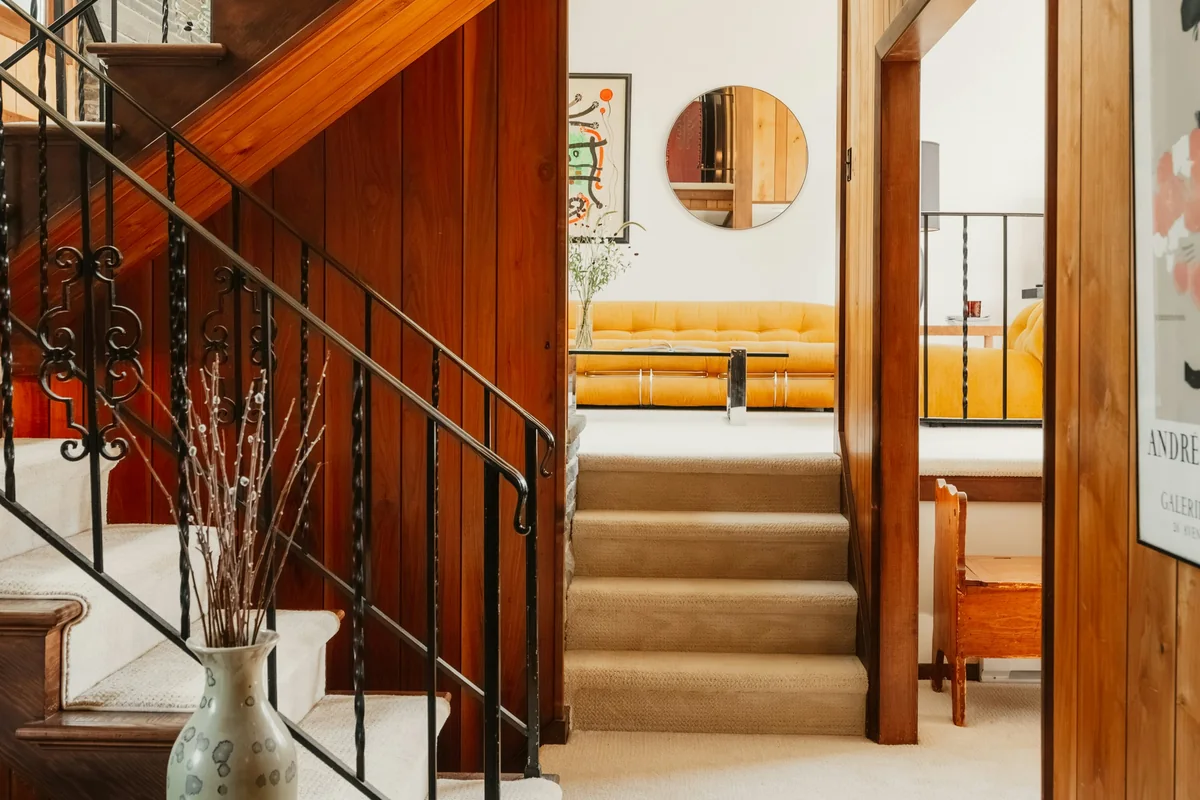
Look for clear paths, useful contrast, comfortable lighting, secure outdoor access and cues that help residents find rooms and bathrooms. Notice noise, clutter and whether common spaces invite participation.
An environment can be physically secure yet emotionally restrictive. Ask how residents make choices about movement, activities and daily routines.
Understand staffing and response
Ask about dementia-specific training, staffing across shifts and who responds when a resident is awake at night, tries to leave or resists care. Listen for specific approaches rather than “we redirect them.”
Ask how the team evaluates sudden behavior change. New agitation or confusion can reflect illness, medication, pain or dehydration and may need clinical attention.
- How are staff trained and coached?
- Who is awake overnight?
- How are patterns documented across shifts?
- How are families involved without overriding the resident?
- When is a clinician contacted?
- What changes could require transfer?
Ask about meaningful activity
A calendar full of group events may not help someone who enjoyed fixing things, gardening or folding laundry. Ask how staff adapt activity to ability and interest and how they engage a resident who does not join groups.
Observe whether staff create small moments of connection during ordinary care, not only scheduled programming.
Plan for progression
Dementia needs change. Ask how the facility reassesses care, communicates increased fees and decides when it can no longer meet a resident’s needs. Review those terms in the admission agreement.
Pair the tour with questions about staffing, training and emergency readiness.
Sources & important note
Zeal reviewed the primary sources below while preparing this article. Policies, benefits and individual circumstances can change; confirm current requirements with the responsible agency, health plan and licensed provider.
- CDSS: Dementia Care Information and Resources for RCFEs
- CDSS: Residential Care Regulations
- CDSS: LIC 613C-2 Personal Rights of RCFE Residents
Editorially reviewed September 2026.